AI Consulting & Agentic Engineering
AI built on open standards, grounded in your business context.
Vidya is a modernization firm that has spent three years helping clients turn AI from a pilot project into a system their teams actually rely on. Clients who bring Vidya an AI project get something working inside their own operations within weeks, built around how the business already runs.
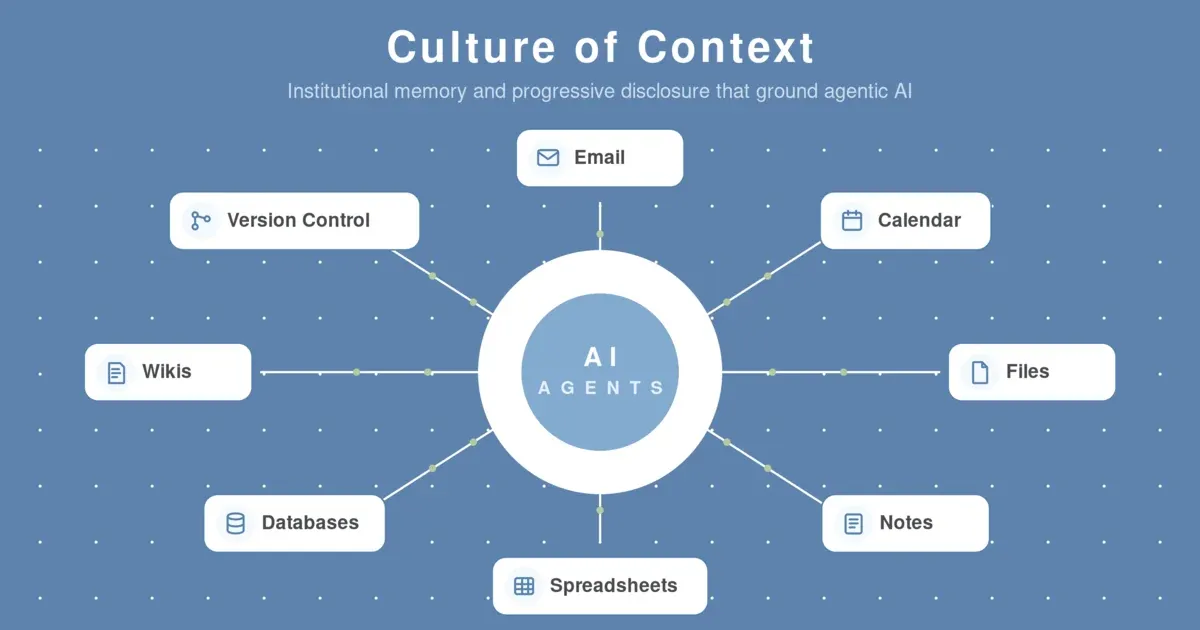
Most AI projects fail for reasons that have nothing to do with which model a company picks. MIT reported that 95% of enterprise AI deployments fail, largely from missing data strategy and unclear business goals. Vidya made the same case in Python Is Not the Language of AI. Succeeding with AI is a matter of giving a system a culture of context. Gartner agrees, finding that prioritizing context can lift AI accuracy by up to 80% and cut costs by up to 60%. A simple test guides every AI recommendation Vidya makes. If the information an agent needs isn’t realistically available to it, the task isn’t ready for AI yet.
Vidya builds AI safety and reliability directly into how a system runs. An autonomous agent belongs in production only when a human can plan, trace, and reverse every action it takes, with an oversight point built into each step. Every high-impact system keeps a fallback path that works without the AI. Where part of a job must produce the same correct answer every time, like a calculation or a compliance check, Vidya pairs the AI agent’s language reasoning with a deterministic, rule-based step built for that part. Vidya also tracks accuracy against real outcomes on an ongoing basis, so drift gets caught early. On bias, Vidya grounds its practice in the research of Dr. Timnit Gebru and Dr. Joy Buolamwini, favoring smaller, better-documented models and testing outputs before they reach a decision that affects a real person.
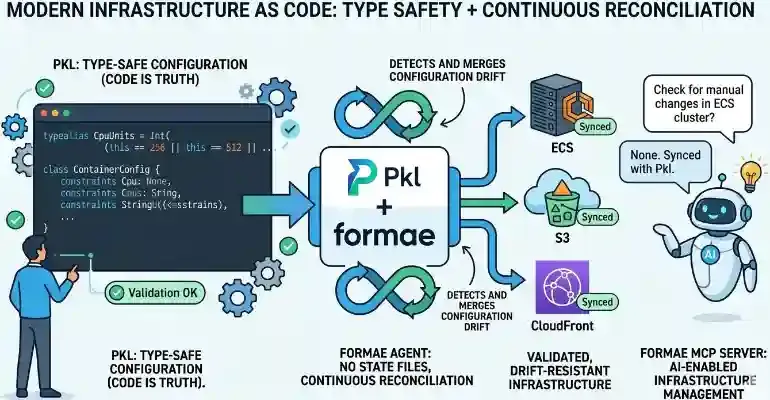
The Agentic AI Foundation, the Linux Foundation-backed group governing the open standards behind today’s leading AI tools, named Vidya’s founder to its inaugural cohort of 138 Ambassadors across 41 countries. A stack built around one vendor’s product fails the day that vendor deprecates it or ships a worse model. Vidya builds on open, vendor-neutral standards, so upgrading later becomes a simple configuration change that protects a client’s investment. The same deterministic components that keep a system reliable also keep it cheap to run. A rule-based step costs a fraction of a model call and never drifts in price.
Vidya scopes a first AI engagement as a two-week discovery sprint that identifies one high-value business process worth automating and maps the information it needs. At the end of those two weeks, you get a working system connected to your own data.
Frequently Asked Questions
Why does Vidya emphasize business context over computing power?
Because that's where most AI projects actually fail. MIT found that 95% of enterprise AI deployments fail for business reasons, like missing data strategy and unclear goals. Gartner separately reports that organizations who prioritize context can lift AI accuracy by up to 80% and cut costs by up to 60%. Vidya applies a simple test before recommending any AI project. If the information an agent needs can't realistically be made available to it, the task isn't ready for AI yet.
What is the Agentic AI Foundation, and why does it matter to my business?
It's the Linux Foundation-backed group that now governs the open standards behind today's AI tools, similar to the role the W3C played for the early web. Vidya's founder is one of its inaugural 138 Ambassadors. Building your AI strategy on those open standards means upgrading to a better tool later is a simple configuration change.
How does Vidya approach AI safety and bias?
Vidya's position is that an autonomous agent belongs in production only when a human can plan, trace, and reverse every action it takes, and every high-impact system Vidya builds keeps a fallback path that works without the AI. On bias, Vidya grounds its practice in the research of Dr. Timnit Gebru and Dr. Joy Buolamwini, favoring smaller, better-documented models and testing outputs before they reach a decision that affects a real person.
How does Vidya keep AI reliable enough for tasks that must be correct every time?
By pairing the AI agent's language reasoning with a deterministic, rule-based step for the parts of a job that must produce the same correct answer every time, like a calculation or a compliance check, and tracking accuracy against real outcomes on an ongoing basis so drift gets caught early.
Does adding AI increase our operating costs?
Not automatically. Gartner reports that organizations who prioritize context can cut AI costs by up to 60%, and Vidya's deterministic, rule-based components cost a fraction of a full model call and never drift in price, so the parts of a system that don't need a language model don't pay for one.
How fast can Vidya show results?
Vidya scopes a first engagement as a two-week discovery sprint that ends in a working system connected to your own data.